• This is default featured slide 1 title

    Go to Blogger edit html and find these sentences.Now replace these sentences with your own descriptions.This theme is Bloggerized by Lasantha Bandara - Premiumbloggertemplates.com.

  • This is default featured slide 2 title

    Go to Blogger edit html and find these sentences.Now replace these sentences with your own descriptions.This theme is Bloggerized by Lasantha Bandara - Premiumbloggertemplates.com.

  • This is default featured slide 3 title

    Go to Blogger edit html and find these sentences.Now replace these sentences with your own descriptions.This theme is Bloggerized by Lasantha Bandara - Premiumbloggertemplates.com.

  • This is default featured slide 4 title

    Go to Blogger edit html and find these sentences.Now replace these sentences with your own descriptions.This theme is Bloggerized by Lasantha Bandara - Premiumbloggertemplates.com.

  • This is default featured slide 5 title

    Go to Blogger edit html and find these sentences.Now replace these sentences with your own descriptions.This theme is Bloggerized by Lasantha Bandara - Premiumbloggertemplates.com.


The Benefits of LEED Certification

LEED certification can help your building achieve sustainability through renovation, fit-out or new construction. To get started on this path, first select the rating system most suited to your project by consulting USGBC's rating systems guide and credit library; review prerequisites, Minimum Program Requirements (MPR), credits as well as register and apply online.

As part of the application process, team members collect information and documentation that demonstrates you have fulfilled all prerequisites and earned your chosen credits. Projects will then be reviewed by an independent third-party (GBCI), to confirm they meet all criteria.

Once reviewed, your project will receive a LEED certificate based on its score. Achieved certification shows potential tenants that you are an industry leader when it comes to green building; additionally, this status could increase rental rates. Having LEED certification makes your facility more appealing to employees of younger generations who desire working for green companies.

LEED certification requires both time and money investments, but its returns can be substantial. Beyond reduced operating costs and energy usage, LEED-certified buildings create healthier indoor environments by improving air quality; reduce negative environmental impacts through local, sustainable materials; promote employee well-being by encouraging active designs that provide healthy environments; providing access to healthy food choices and more.

Share:


Green Real Estate Listings


Green homes appeal to an ever-increasing market of environmentally conscious buyers and may provide financial benefits and increased resale value.

Most MLS systems do not enable buyers to search for homes with energy certifications or ratings, creating an imbalanced market and posing difficulties for real estate professionals.

Showcase Properties That Embrace Sustainable Features

As many millennials are focused on both saving money and protecting the environment, they're seeking homes equipped with green features to reduce energy costs while remaining close to restaurants, parks and other local attractions.

This new type of homebuyer often searches for properties that support their farm-to-table lifestyle, using environmentally sustainable materials and conserving existing trees. They may also look for solar panels, ENERGY STAR appliances and alternative cooling systems as desired features in a property.

Realtors who understand these trends hold an edge in the real estate industry. They can assist their clients in finding eco-friendly neighborhoods, educate them about energy efficiency and government incentives, negotiate deals that meet green goals of clients, as well as receive National Association of Realtors Green Designation to demonstrate knowledge and attract buyers; sharing market trends and resource efficiency data makes comparing similar homes easier so buyers can make sounder decisions more easily.

Energy-Efficient Appliances

Energy-efficient appliances use only what's necessary to complete their duties, saving energy that would otherwise go to waste and helping lower national energy consumption as well as exploiting natural resources more responsibly, creating more sustainability for future generations.

Energy efficient appliances and buildings may qualify for tax breaks that can save buyers thousands over their lifespan, making energy efficiency upgrades an investment worth making. Energy upgrades should therefore be seen as both an attractive prospect for buyers as well as sellers.

Many home MLS systems are now including fields to allow real estate agents to list energy-efficient features in properties. However, this change may not yet have taken place across all local home MLS systems; to learn more about green field updates in your system speak to your agent today.

Eco-Friendly Landscapes

Homeowners can create eco-friendly landscapes to reduce water usage, conserve energy and promote biodiversity. Planting native flowers and plants reduces the need for chemical fertilizers while cutting outdoor tap water use significantly. Furthermore, using permeable pavers instead of traditional concrete driveways/walkways prevents excess runoff pollutants reaching lakes/rivers.

Real estate agents specializing in green homes and sustainable properties can be invaluable resources in finding sustainable homes to fit their buyers' needs, while helping sellers sell them at optimal pricing by assessing all of its green features.

With environmental awareness at an all-time high, businesses are adopting sustainable practices to limit their negative environmental impact. Realtors play an integral part in the buying and selling of homes; realtors who embrace eco-friendly home values like those provided by Listed Green are also adopting green values into their practices - for instance this innovative real estate website screens homes based on energy efficiency criteria, alternative power sources and recycled materials to offer environmentally-friendly living solutions.

LEED Certification

LEED certification can increase resale value for sustainable homes, which have become more popular with eco-conscious home buyers. Furthermore, sustainable houses often cost less to construct and maintain over time and may result in savings on utility costs over time.

Construction firms that utilise LEED can meet the needs of clients with environmental awareness while positioning themselves as leaders in their field. Furthermore, LEED-certified projects often qualify for state or local incentives that help offset costs associated with sustainable improvements.

Register your project with the USGBC by providing basic project details and paying an initial registration fee. After your team is registered, they can begin working towards LEED certification by earning points using various strategies - rating system selection guide is an ideal place to start when choosing an appropriate rating system and stage combination; additionally, credit libraries provide helpful insight into prerequisite requirements and documentation strategies for each prerequisite/credit combination.

Share:


Sustainable Living Tips


Every purchase we make leaves an impactful footprint behind, from pollution caused during its creation and energy consumed during manufacturing to its eventual disposal at end-of-life. To minimize your environmental footprint, opt for reusable bags, containers and utensils when shopping or dining out.

Opting for locally sourced food has a lower carbon footprint than food that's been shipped long distances, while drinking tap water instead of bottled, and making use of compostable straws and coffee cups will also help.

Reduce Waste

People produce an astounding amount of trash, and reducing waste production is one of the best ways you can help protect the planet. Making small changes can have an enormous effect.

Switching from plastic wrap and tin foil to parchment and silicone baking sheets and paper towels for microfibre cloths you can wash and reuse is one simple way to cut waste, while composting - turning food scraps into nutrient-rich soil while decreasing landfill waste - and using reusable containers and bags when dining out will further decrease plastic usage.

Other things you can do to reduce waste include shopping locally and supporting local businesses. Also reusing cans and glass jars for storage can save fuel consumption. Swapping out car travel for biking or walking commutes reduces pollution emissions as well.

Incorporate Green Practices

No matter if it's transitioning to veganism or simply ditching plastic straws, each sustainable living action makes an impact. And when enough people make green choices, our government and businesses may follow suit more readily.

Energy conservation and efficiency are core practices in sustainability, helping reduce fossil fuel consumption. Utilizing energy-efficient light bulbs or powering off electronics when they're not needed can substantially lower electricity bills.

Shopping local is another effective way of supporting sustainable practices. By purchasing foods at your local farmer's market or CSA program, you reduce carbon emissions caused by transporting long-distance foodstuffs.

Reduce Carbon Footprint

At first, reducing your carbon footprint might seem daunting; however, small changes you can implement in your home to make an impact are achievable. These include insulate and draft proof your home, installing smart thermostats, switching to renewable energy sources such as wind or solar, or purchasing secondhand products.

Another excellent way to reduce your carbon footprint is by supporting local businesses and purchasing locally-grown food, which uses less energy for transport while helping support the local economy.

Additionally, switching off unnecessary appliances, keeping computers and printers in "sleep mode," and unplugging mobile chargers after use all help to reduce unnecessary electricity use - saving hundreds of dollars while significantly lowering carbon footprint.

Support Local Businesses

Shop local! It is an axiom we all hear often enough, but did you know there's more to it than just convenience or savings? By shopping locally, you are supporting jobs and the aspirations of neighbors while keeping money within the community and decreasing transport and packaging needs.

Local businesses also tend to offer unique product offerings that make your community feel like home, and often contribute more towards community service than chains stores.

This holiday season, give local small businesses your support by shopping locally at your favorite shops and restaurants - remembering to use greener options such as second-hand purchases, energy efficient appliances and switching to sustainable search engines such as Ecosia! Don't forget generous tipping: many service workers have been hit hard by COVID-19 fears, so they could really use your help. Finally, plan to visit your farmer's market this year to try some unique dishes!

Share:


Eco-Friendly Materials

Eco-friendly materials have minimal environmental impact during their entire life cycle, often being procured using environmentally sustainable techniques which minimize energy use, toxic chemical usage and waste production.

Check for fabrics bearing the GOTS or Cradle to Cradle seals to make sure that they were produced under environmentally conscious conditions; organic cotton is often an eco-friendly choice.

Straw Bale Construction


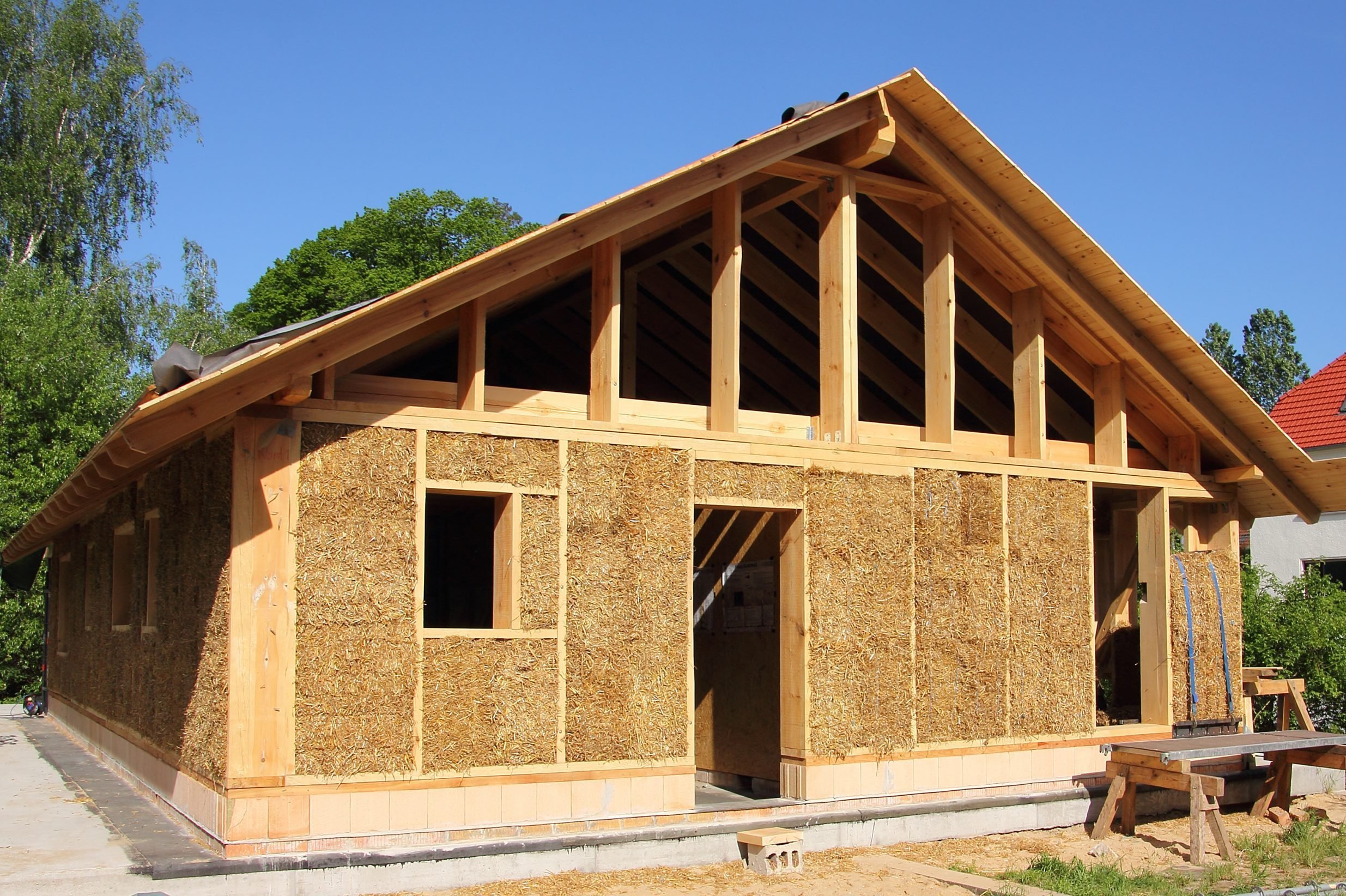
Straw bale homes utilize renewable material derived from agriculture that would otherwise go unused, providing high insulation levels while being easy to customize according to individual tastes and purposes. Furthermore, these structures require less maintenance than traditional wood framing as there are less places for pests to hide in them.

Contrary to popular perception, bale walls do not tend to catch fire easily as depicted in western movies. Burning requires oxygen for combustion; plastered bale blocks simply don't contain enough for this process.

Straw bale walls should be constructed as infill elements between load bearing frames to ensure compliance with National Construction Code regulations and ensure predictable engineering outcomes. This approach gives greater freedom when designing openings. Educating local building officials as early as possible on this process is also key.

Aerated Concrete


Autoclaved Aerated Concrete (AAC) is a lightweight material composed of sand and crushed aggregates mixed with cement, lime, gypsum/anhydrite and water that can be formed into precisely dimensioned blocks and panels for walls, floors or roofs. Molding this lightweight building material is easy. AAC boasts strong fire resistance ratings as well as offering sound and thermal insulation benefits as well as being easy to trim on-site for optimal results.

This mix doesn't contain sulfate and uses less raw materials per volume than conventional concrete, while still including recycled fly ash and rebar for LEED certification credits.

AAC insulation provides 10-times greater thermal protection than aggregate concrete and two times greater than clay brick, significantly cutting heating costs. Furthermore, AAC requires little to no maintenance while withstanding climate fluctuations - not to mention that its manufacturing requires far less energy consumption as opposed to Portland cement production processes!

Earth Blocks


Earth blocks have become an increasingly popular building material worldwide, offering an alternative to traditional stick built homes. Crafted from non-plant materials that are compressed using mechanical means before being stabilized with lime or cement in a brick press, earth blocks offer substantial cost savings over traditional sun-dried adobe construction as well as reduced energy footprint by making use of local soils and clays for construction.

Earth blocks make your home more energy-efficient as the walls help relieve strain on heating and cooling systems, insulation provides good thermal regulation in cold environments, reinforced blocks support modern engineering designs, meet or surpass concrete block strength requirements while remaining lightweight for easier transportation.

Mycelium


Mycelium, often referred to as the "wood wide web", is an interlinked network of fungi responsible for breaking down, recycling and repurposing natural materials such as trees and grasses to reduce waste produced by our society.

Researchers are exploring mycelial construction as an innovative means of developing sustainable materials. Mycelium is an organic biomaterial with mycelia that bind organic matter, growing on various substrates to form composite structures.

Mycelium can be used to produce eco-friendly materials like leather and food wrappers from mycelium, more sustainably than animal leather which requires significant resources for harvesting and manufacturing. Plus, production times are shorter - only five days are needed to create enough mycelium to create enough leather coat.

Clay Brick


Clay brick has a low environmental impact and requires minimal upkeep over the years, while also helping keep your home energy efficient. Plus, its superior fire resistance could save on insurance premiums in the long run!

Studies have examined the use of biomass wastes as eco-friendly brickmaking materials. Lignocellulosic biomass ash acts as porogen agents during firing processes to create pores within clay matrix structures to lower bulk density and improve thermal insulation properties.

Refs [3, 4] utilized varying percentages of iron ore tailing (IOT) as an additive in brick manufacturing to achieve various porosity and compressive strength levels, as well as decrease bulk density, specific gravity, water absorption/permeability ratios. They found that using IOT reduced bulk density while simultaneously increasing water absorption/permeability.

Share:


The Benefits and Challenges of Wind Energy


Wind energy is a form of renewable energy that taps the power of moving air to generate electricity, from single home wind turbines to large field sources of power for cities. Furthermore, it does not rely on mining, transport or disposal of fossil fuels - making it an ecological and eco-friendly way of creating power.

People have used wind as an energy source for centuries--from ancient Egyptian vessels pushed along by its breeze to windmills that inspired Cervantes to write Don Quixote. Today's wind turbines work differently from ancient sails; instead they feature rotor blades which turn with the direction of wind to generate kinetic energy, then turning drive shafts to generate mechanical energy that can then be turned into electric current.

Wind turbines must be located in an area with consistent, regular winds for them to work effectively, so consulting a professional before investing in this technology is critical for its effectiveness. To begin, set your energy goals with help from professionals. They can help create an energy budget to assess how much electricity you consume each month as well as what size turbine will best meet those goals; the height of your tower and weather also have significant bearing on this matter.

Wind energy produced can either be utilized directly at its source (which would likely be for residential purposes) or distributed over transmission lines to be sold into the utility grid. Some states and utilities offer financial incentives for residents who choose this form of renewable energy; it might be worth investigating these incentives as well.

Wind energy offers many advantages, yet can present its own unique set of challenges. Installation can be more expensive than other forms of renewable energy and wind turbines can be noisy; furthermore they can affect wildlife negatively causing deaths in some instances. Researchers are exploring methods of mitigating this effect. One recent study demonstrated how painting rotor blades black reduced bird deaths by 70%. Furthermore, ultrasonic acoustic devices may help deter birds and bats from wind farms. These efforts are being conducted as part of ongoing research on the impacts of wind turbines on the environment. A growing body of evidence suggests they're less harmful than fossil fuels; however, further studies may be required in order to fully comprehend their impact. Regardless of these barriers, wind's potential as an energy source is clear - with proper investments it could provide future generations with cleaner and more sustainable alternative fuel sources than fossil fuels.

Share:


Solar Power - A Renewable Resource That Can Be Used For Generations


Solar power harnesses sunlight's energy to generate electricity, heat buildings and water sources, and heat/cool homes. Solar is an abundant, renewable resource and an integral component of today's global energy mix, offering a safe, eco-friendly alternative to fossil fuels that is reliable and cost-effective over generations.

One hour of sunlight provides enough electricity to supply all of our planet's electricity needs for an entire year, providing life with warmth and light for billions of years. Solar technology has come a long way since Bell Lab's initial silicon photovoltaic cells were introduced back in 1954, to today's high-efficiency panels found on many residential roofs across America; some systems even combine solar electricity systems with thermal technology in order to store energy overnight for use at nighttime.

Early use of solar energy included drying of meat, fruit and grains using its rays during ancient times. Subsequently, people began harnessing it to generate heat for cooking and bathing purposes. Now solar power is one of the primary renewable electricity sources worldwide - in both the United States and other nations worldwide.

Make no mistake: it is possible to convert an entire home to solar power, though doing so requires significant financial and psychological commitments, as well as a plan for dealing with any inclement weather that may arise. Most solar companies and utilities offer financing solutions that allow homeowners to save upfront while simultaneously cutting utility costs down the line; it is wise to do your homework before choosing any company or product offered by any solar provider or utility provider.

Residential solar technologies range from passive sun-catching techniques, solar-powered calculators and calculator batteries, and water heating to heating with solar energy. The solar industry strives to reach "grid parity", wherein solar costs the same or less than conventional power without government grants, subsidies or rebates; many parts of China, the European Union and California have already reached this point.

Photovoltaic technologies not only produce solar energy but can also help lower greenhouse gas emissions by decreasing fossil fuel usage in electricity generation. Thermal collection solar power plants use liquids such as oil or molten salts to store energy before producing steam that powers a turbine generator for electricity production.

Solar energy's primary drawbacks are limited sunlight hours and limited effectiveness during cloudy weather; however, solar systems with battery backup can overcome these challenges. Furthermore, some systems contain toxic materials or chemicals which could leak out into the environment, so it is wise to seek a local installer who can explain their safety standards and address any concerns you might have about the installation process. Moreover, some governments require installations be carried out by licensed electricians.

Share:

Ordered List

  1. Lorem ipsum dolor sit amet, consectetuer adipiscing elit.
  2. Aliquam tincidunt mauris eu risus.
  3. Vestibulum auctor dapibus neque.

Sample Text

Lorem ipsum dolor sit amet, consectetur adipisicing elit, sed do eiusmod tempor incididunt ut labore et dolore magna aliqua. Ut enim ad minim veniam, quis nostrud exercitation test link ullamco laboris nisi ut aliquip ex ea commodo consequat.

Definition List

Definition list
Consectetur adipisicing elit, sed do eiusmod tempor incididunt ut labore et dolore magna aliqua.
Lorem ipsum dolor sit amet
Consectetur adipisicing elit, sed do eiusmod tempor incididunt ut labore et dolore magna aliqua.

Support

Need our help to upload or customize this blogger template? Contact me with details about the theme customization you need.

Pages