


Solar Power - A Renewable Resource That Can Be Used For Generations
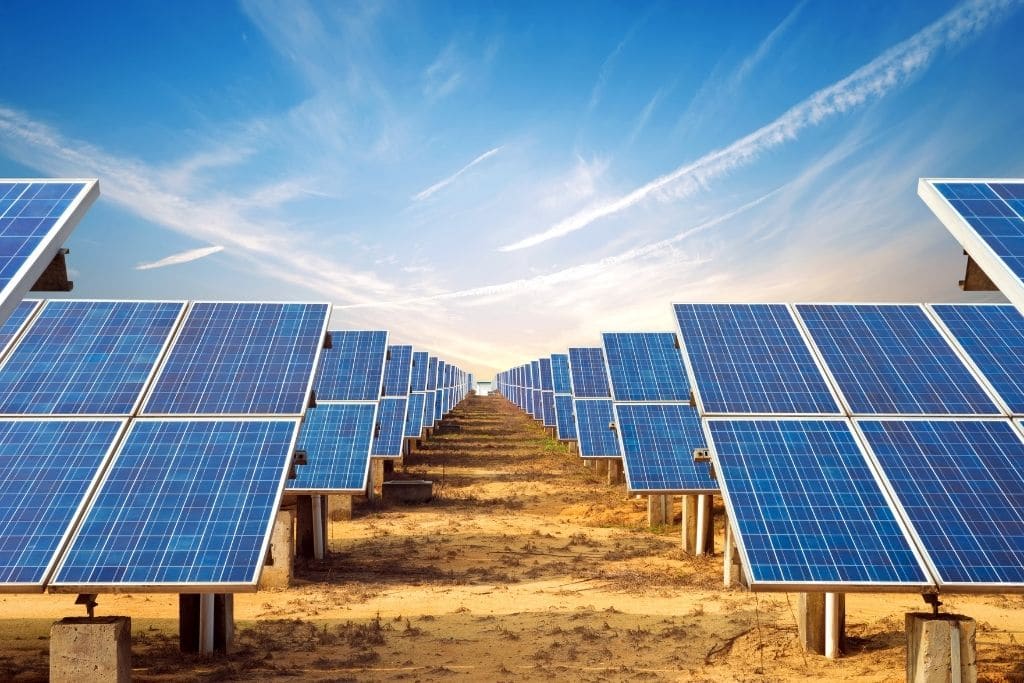
Solar power harnesses sunlight's energy to generate electricity, heat buildings and water sources, and heat/cool homes. Solar is an abundant, renewable resource and an integral component of today's global energy mix, offering a safe, eco-friendly alternative to fossil fuels that is reliable and cost-effective over generations.
One hour of sunlight provides enough electricity to supply all of our planet's electricity needs for an entire year, providing life with warmth and light for billions of years. Solar technology has come a long way since Bell Lab's initial silicon photovoltaic cells were introduced back in 1954, to today's high-efficiency panels found on many residential roofs across America; some systems even combine solar electricity systems with thermal technology in order to store energy overnight for use at nighttime.
Early use of solar energy included drying of meat, fruit and grains using its rays during ancient times. Subsequently, people began harnessing it to generate heat for cooking and bathing purposes. Now solar power is one of the primary renewable electricity sources worldwide - in both the United States and other nations worldwide.
Make no mistake: it is possible to convert an entire home to solar power, though doing so requires significant financial and psychological commitments, as well as a plan for dealing with any inclement weather that may arise. Most solar companies and utilities offer financing solutions that allow homeowners to save upfront while simultaneously cutting utility costs down the line; it is wise to do your homework before choosing any company or product offered by any solar provider or utility provider.
Residential solar technologies range from passive sun-catching techniques, solar-powered calculators and calculator batteries, and water heating to heating with solar energy. The solar industry strives to reach "grid parity", wherein solar costs the same or less than conventional power without government grants, subsidies or rebates; many parts of China, the European Union and California have already reached this point.
Photovoltaic technologies not only produce solar energy but can also help lower greenhouse gas emissions by decreasing fossil fuel usage in electricity generation. Thermal collection solar power plants use liquids such as oil or molten salts to store energy before producing steam that powers a turbine generator for electricity production.
Solar energy's primary drawbacks are limited sunlight hours and limited effectiveness during cloudy weather; however, solar systems with battery backup can overcome these challenges. Furthermore, some systems contain toxic materials or chemicals which could leak out into the environment, so it is wise to seek a local installer who can explain their safety standards and address any concerns you might have about the installation process. Moreover, some governments require installations be carried out by licensed electricians.


No comments:
Post a Comment