


Eco-Friendly Materials
Eco-friendly materials have minimal environmental impact during their entire life cycle, often being procured using environmentally sustainable techniques which minimize energy use, toxic chemical usage and waste production.
Check for fabrics bearing the GOTS or Cradle to Cradle seals to make sure that they were produced under environmentally conscious conditions; organic cotton is often an eco-friendly choice.
Straw Bale Construction
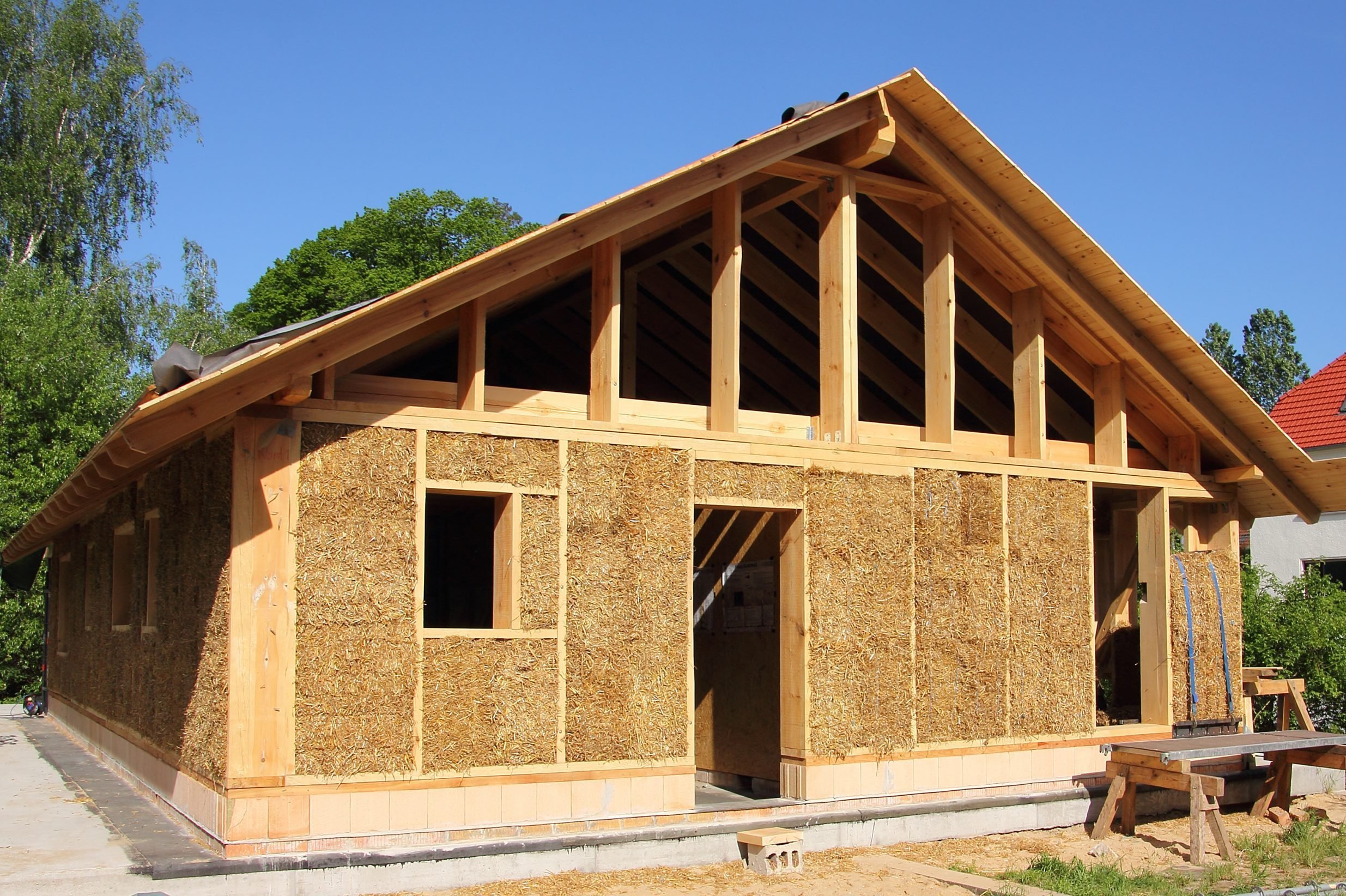
Straw bale homes utilize renewable material derived from agriculture that would otherwise go unused, providing high insulation levels while being easy to customize according to individual tastes and purposes. Furthermore, these structures require less maintenance than traditional wood framing as there are less places for pests to hide in them.
Contrary to popular perception, bale walls do not tend to catch fire easily as depicted in western movies. Burning requires oxygen for combustion; plastered bale blocks simply don't contain enough for this process.
Straw bale walls should be constructed as infill elements between load bearing frames to ensure compliance with National Construction Code regulations and ensure predictable engineering outcomes. This approach gives greater freedom when designing openings. Educating local building officials as early as possible on this process is also key.
Aerated Concrete

Autoclaved Aerated Concrete (AAC) is a lightweight material composed of sand and crushed aggregates mixed with cement, lime, gypsum/anhydrite and water that can be formed into precisely dimensioned blocks and panels for walls, floors or roofs. Molding this lightweight building material is easy. AAC boasts strong fire resistance ratings as well as offering sound and thermal insulation benefits as well as being easy to trim on-site for optimal results.
This mix doesn't contain sulfate and uses less raw materials per volume than conventional concrete, while still including recycled fly ash and rebar for LEED certification credits.
AAC insulation provides 10-times greater thermal protection than aggregate concrete and two times greater than clay brick, significantly cutting heating costs. Furthermore, AAC requires little to no maintenance while withstanding climate fluctuations - not to mention that its manufacturing requires far less energy consumption as opposed to Portland cement production processes!
Earth Blocks

Earth blocks have become an increasingly popular building material worldwide, offering an alternative to traditional stick built homes. Crafted from non-plant materials that are compressed using mechanical means before being stabilized with lime or cement in a brick press, earth blocks offer substantial cost savings over traditional sun-dried adobe construction as well as reduced energy footprint by making use of local soils and clays for construction.
Earth blocks make your home more energy-efficient as the walls help relieve strain on heating and cooling systems, insulation provides good thermal regulation in cold environments, reinforced blocks support modern engineering designs, meet or surpass concrete block strength requirements while remaining lightweight for easier transportation.
Mycelium
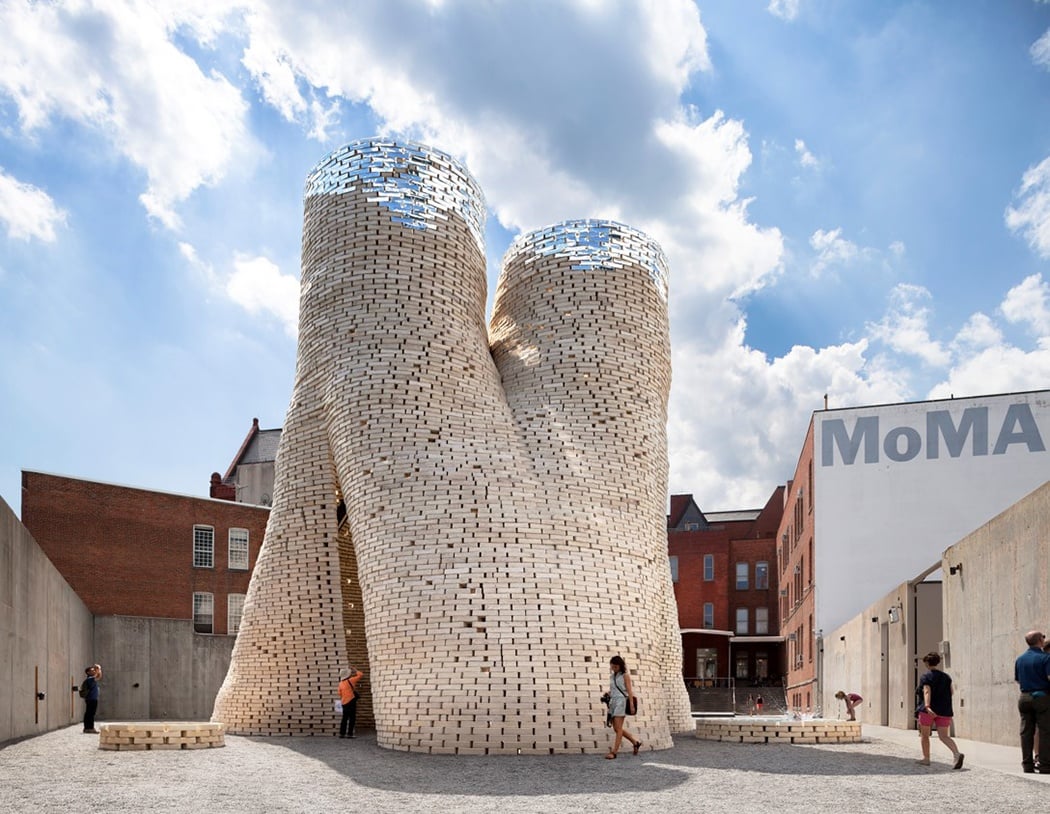
Mycelium, often referred to as the "wood wide web", is an interlinked network of fungi responsible for breaking down, recycling and repurposing natural materials such as trees and grasses to reduce waste produced by our society.
Researchers are exploring mycelial construction as an innovative means of developing sustainable materials. Mycelium is an organic biomaterial with mycelia that bind organic matter, growing on various substrates to form composite structures.
Mycelium can be used to produce eco-friendly materials like leather and food wrappers from mycelium, more sustainably than animal leather which requires significant resources for harvesting and manufacturing. Plus, production times are shorter - only five days are needed to create enough mycelium to create enough leather coat.
Clay Brick

Clay brick has a low environmental impact and requires minimal upkeep over the years, while also helping keep your home energy efficient. Plus, its superior fire resistance could save on insurance premiums in the long run!
Studies have examined the use of biomass wastes as eco-friendly brickmaking materials. Lignocellulosic biomass ash acts as porogen agents during firing processes to create pores within clay matrix structures to lower bulk density and improve thermal insulation properties.
Refs [3, 4] utilized varying percentages of iron ore tailing (IOT) as an additive in brick manufacturing to achieve various porosity and compressive strength levels, as well as decrease bulk density, specific gravity, water absorption/permeability ratios. They found that using IOT reduced bulk density while simultaneously increasing water absorption/permeability.


No comments:
Post a Comment